There are several reasons for the leakage of molten iron and carbon in the furnace lining of the induction furnace.
1. The construction and filling of the furnace are not dense enough. When filling the refractory material, it should be done in layers. If the thickness exceeds the limit or the vibration time is insufficient, the particles of the refractory material will have large gaps, forming interconnected pores, which will allow the molten iron to penetrate through the pores under the action of static pressure and electromagnetic stirring. If there are local, corner, slope, or dead corners with insufficient vibration, it will also form channels for the leakage of molten iron.
2. The process ratio of the refractory material is unbalanced. If the proportion of large particles is too high or the fine powder is too little, the voids in the aggregates will be large, causing the leakage of molten iron and carbon.
3. During construction, if the site is not cleaned thoroughly and iron filings or debris are mixed in, it will form local non-dense layers, and the molten iron will also penetrate through these layers.
4. During the heating process, if the temperature rises too quickly and the insulation time at low temperatures is short, the amount of water vaporization is large, causing micro cracks in the refractory material; or if the sintering temperature is not high enough, a slight sintering occurs on the surface, while the crystalline water in the interior of the refractory material has not been fully discharged, resulting in looseness and causing the molten iron to penetrate.
5. During the using, if the liquid level is low for a long time and the upper furnace lining is never fully sintered, it is also very likely to cause the leakage of molten iron. If the furnace is frequently started and stopped, or the internal temperature of the furnace lining changes rapidly, causing network cracks inside the furnace lining, during the production process, molten iron will penetrate from the cracks to the coil side.
6. To increase production, add too much recarburize, caused slag layers too thick with oxygen deficiency, carbon accumulate for a long time, will cause the leakage of carbon.
Therefore, when the refractory material leaks molten iron and carbon, it is necessary to check from multiple aspects. Such as the process ratio, construction, operations during the production process, all operations should be scientifically controlled, and all aspects should be checked one by one to solve the problem appropriately.
Leave a Message
Contact Us
Email: [email protected]
TEL: +86 15238644201
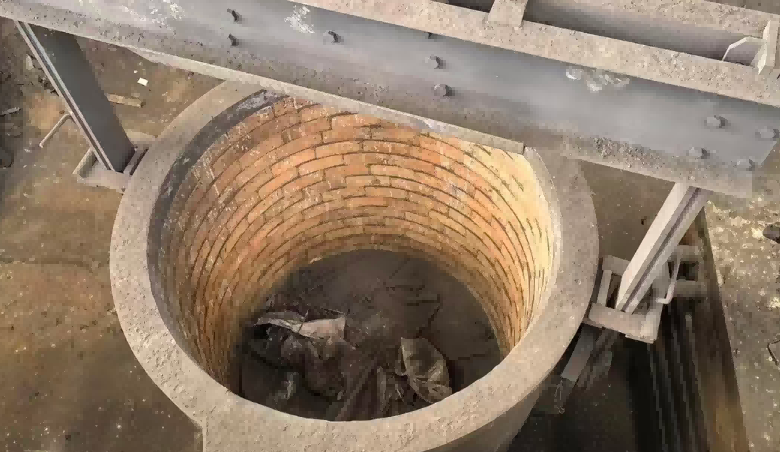
The lining of the molten iron ladle is made of refractory bricks or refractory mortar, and the choice depends on the number of furnace runs.…
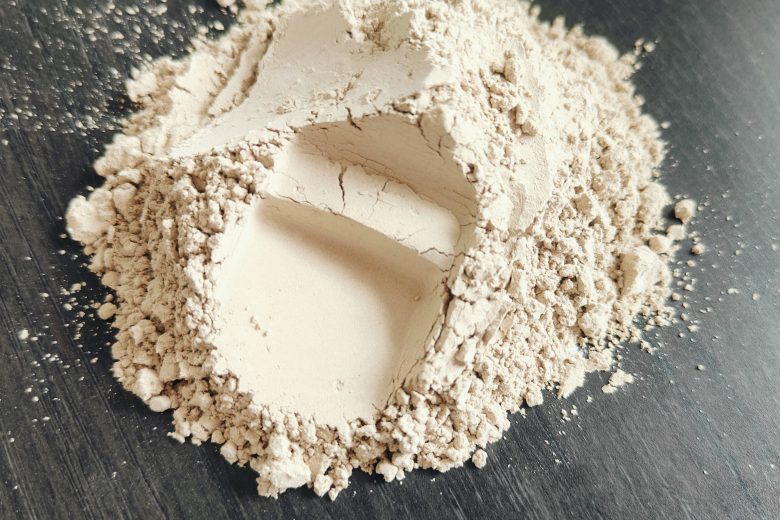
When high-alumina refractory mortar dries too quickly at the construction site, it makes it impossible to form adhesion between the refractory bricks, affecting the construction…

Submit Request
PDF Request