The lining of the molten iron ladle is made of refractory bricks or refractory mortar, and the choice depends on the number of furnace runs.
The refractory bricks or refractory mortar used for the lining of the molten iron ladle each have their own characteristics. Refractory bricks are convenient to build, while refractory mortar has good airtightness, stability, and no iron leakage, but it is troublesome to repair.
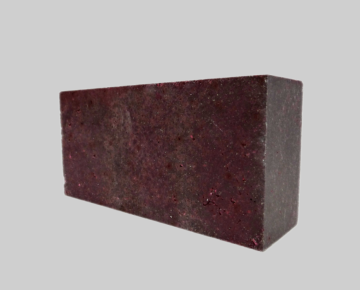
If the molten iron ladle is made of refractory bricks, it depends on the size of the ladle and whether it is for desulfurization. For ordinary molten iron ladles with small tonnage, clay bricks can be used for construction, and the number of furnace runs is around 300.
If the molten iron ladle is of medium-sized ordinary type, high-alumina bricks can be used for the lining. The service life and furnace runs of the high-alumina brick lining depend on the iron water composition and the daily usage furnace runs. Under normal circumstances, the service life is between 500 and 800 furnace runs.
If it is a desulfurization and refining molten iron ladle, because oxygen blowing and parking are required, aluminum-carbide-silicon carbon bricks can be selected for the refractory lining. This type of refractory brick is suitable for construction. However, the cost is high, and the bonding method between the furnace bottom and the furnace wall bricks is not the same. The bottom brick of the ladle is expensive, and the service life of aluminum-carbide-silicon carbon bricks is between 800 and 1500 furnace runs.
For large molten iron ladles, refractory mortar can also be used. For the lining with refractory mortar, aluminum-carbide-silicon mortar is selected. However, when using refractory mortar for the lining, a mold and a baking box are required. Without a mold, construction cannot be carried out. It is best to make a working layer of 200mm thick. If an insulation layer is needed, different molds are required. According to the current market usage, only the working layer is used. Because there are too many types of molds, it is troublesome and the overall integrity is not strong. Using aluminum-carbide-silicon mortar for the overall pouring makes the airtightness strong, and the service life is between 800 and 1200 furnace runs. The time is approximately 3 to 6 months. The disadvantage is that maintenance is troublesome, and it is not as convenient as building with refractory bricks.
In summary, whether using refractory bricks or refractory mortar, it depends on whether the production party has molds. If there are molds, aluminum-carbide-silicon refractory mortar can be used for the lining construction. If not, refractory bricks can be used for the lining.
Leave a Message
Contact Us
Email: [email protected]
TEL: +86 15238644201
There are several reasons for the leakage of molten iron and carbon in the furnace lining of the induction furnace. 1. The construction and filling of…
When high-alumina refractory mortar dries too quickly at the construction site, it makes it impossible to form adhesion between the refractory bricks, affecting the construction…

Submit Request
PDF Request