The problem of cracking of refractory concrete is a complex issue, but many factors are closely related, including production processes, raw materials, and binders. The main reason is related to the baking speed.
The matrix of refractory concrete in China currently mainly consists of SiO2 and Al2O3 raw materials, and the binder is mainly aluminosilicate cement of fast-hardening and early-strength type. Therefore, it is required that the refractory mortar has sufficient curing time after construction and a reasonable baking curve.
For the problem of cracking of refractory concrete, first, 0.1%-0.3% of organic explosion-proof fibers should be added in the production process to prevent the occurrence of cracking of the refractory mortar. Because the explosion-proof fibers will melt at 160℃ and form a passage, which can evenly distribute in the fine and narrow pores of the refractory mortar, thereby increasing the permeability of the refractory mortar and accelerating the exhaust and buffering the water vapor pressure, preventing the cracking of refractory concrete caused by rapid baking and sudden temperature changes.
Another reason for the cracking of refractory concrete is that during the baking stage, due to the rapid increase in temperature, the free water in the refractory mortar changes from liquid to gas in a short time, and forms a certain vapor pressure as the baking temperature increases. When the water vapor inside the refractory mortar cannot be promptly diffused and eliminated, it causes an increase in the pressure of the material body. When the balance of water vapor pressure inside the material body is lost, the refractory mortar will peel off, flake off, and crack.
In addition, during construction, ventilation holes should be retained to ensure that refractory concrete do not crack. It is best to use bamboo sticks with a diameter of 3mm to leave ventilation holes, with 100 holes per square meter. During baking, the temperature should not increase too rapidly. The temperature increase rate below 150℃ should not be higher than 10℃, and the baking time before 350℃ should be as long as possible.
Leave a Message
Contact Us
Email: [email protected]
TEL: +86 15238644201
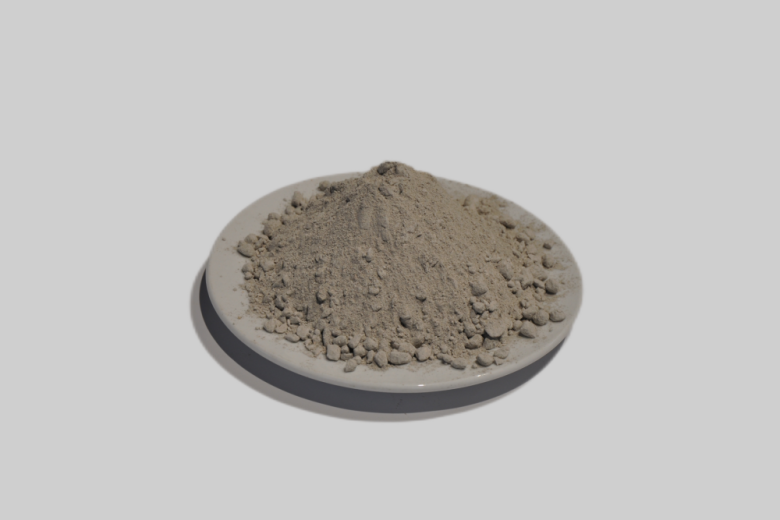
During the construction process of refractory mortar, mixing is an important step. It should be carried out according to the following steps: 1. Cleaning of…
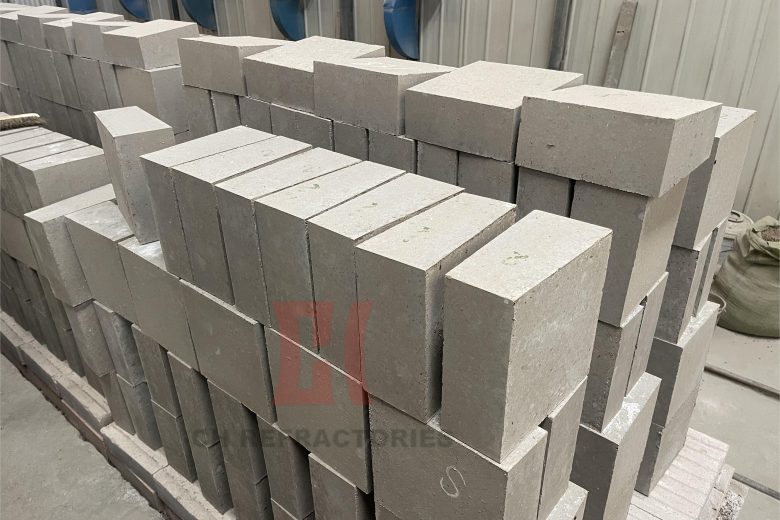
Phosphating high-alumina bricks involves immersing the finished high-alumina bricks in a phosphoric acid solution for more than two hours in a certain container, followed by…

Submit Request
PDF Request