During the construction process of refractory mortar, mixing is an important step. It should be carried out according to the following steps:
1. Cleaning of the construction site and equipment.
Generally, the mixing of refractory mortar is usually carried out on the kiln head platform. To ensure the quality of the refractory mortar, the mixing site and equipment must be cleaned first, ensuring that the site is clean and dust-free. When mixing refractory mortar, a dedicated mixer must be used for strong mixing, and the mixer must be cleaned thoroughly.
2. Steps for mixing refractory mortar.
First, pour the refractory mortar into the mixer for dry mixing. The mixing time must be no less than 5 minutes. After mixing evenly, add an appropriate amount of water. The water quality must be pH = 7.0 - 7.5 drinking water, and the temperature should be preferably between 20 - 30 degrees. If the construction is carried out in winter, the water must be heated to reach 30 - 60 degrees. The ambient temperature at the construction site must not be lower than 5 degrees. The total amount of water added must be strictly in accordance with the manufacturer's specifications, and excessive water should not be added for mixing, which will increase the porosity of the refractory mortar protective layer and reduce its density, having a significant impact on the quality. The mixed mortar should be used up within half an hour. During the mixing process, it should be noted that: two types of refractory mortars cannot be mixed. The refractory mortar that has passed the mixing test is not allowed to have dry material clumps or agglomerations. The material blocks after setting cannot be mixed with water for use again. During summer construction, refractory mortar must not be exposed to the sun in the open air; it should be placed in a cool and dry place.
3. Pouring and vibrating of refractory mortar
There are currently two methods for pouring refractory mortar: one is the horizontal pouring method, where the spray burner pipe is horizontally placed on the kiln head platform for pouring. This construction method is convenient and has no risks, but both the uniformity and shape of the refractory mortar protective layer are difficult to guarantee; the other is the vertical pouring method, where the spray burner pipe is lifted and hung on the side of the kiln head platform by a manual hoist or crane, with the front end of the pipe facing downward, and it is poured section by section upward. Pour the mixed refractory mortar into the mold and evenly spread it for vibration. Use a vibration rod for layer-by-layer vibration. The vibration rod spacing should be determined according to the density of the anchor pins, generally about 150 - 200mm. It should not be vibrated onto the anchor pins; it should be inserted here and there, pouring while vibrating, until the surface is re-sprayed. Generally, it takes about 20 - 40 seconds for one vibration.
Leave a Message
Contact Us
Email: [email protected]
TEL: +86 15238644201
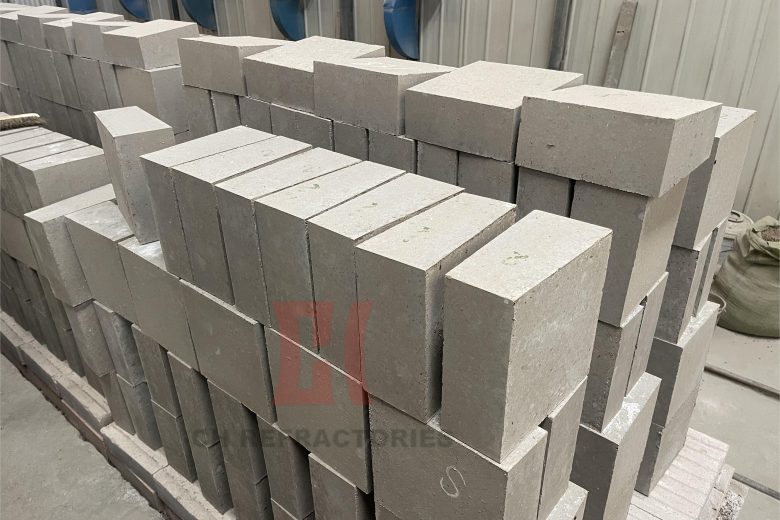
Phosphating high-alumina bricks involves immersing the finished high-alumina bricks in a phosphoric acid solution for more than two hours in a certain container, followed by…
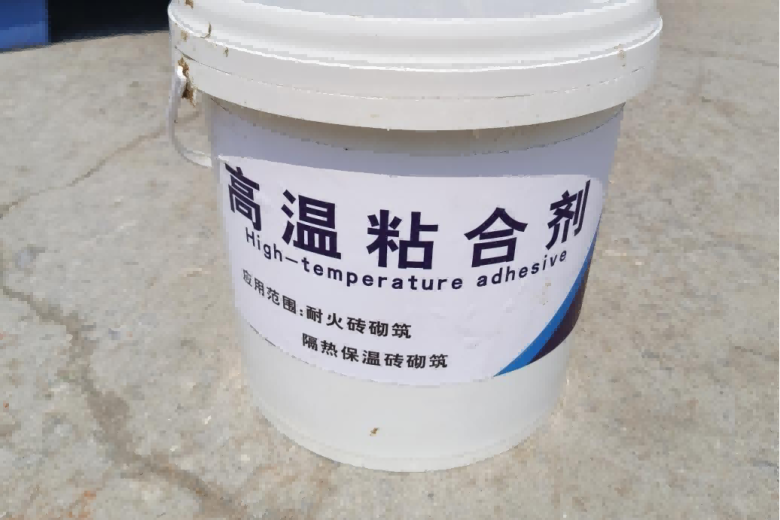
High temperature adhesives are a type of bonding material that can maintain excellent adhesion at high temperatures. They can be used to connect refractory bricks…

Submit Request
PDF Request